
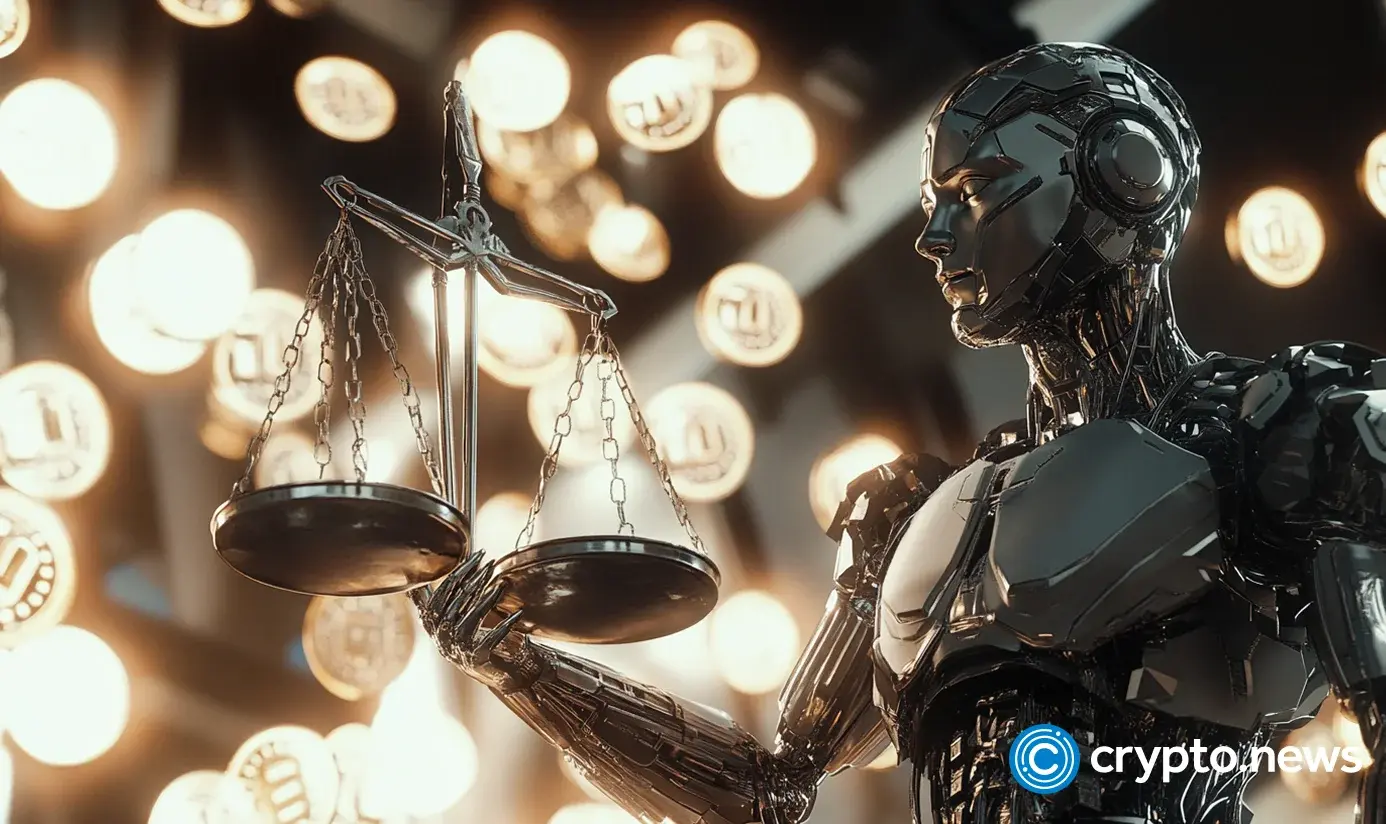
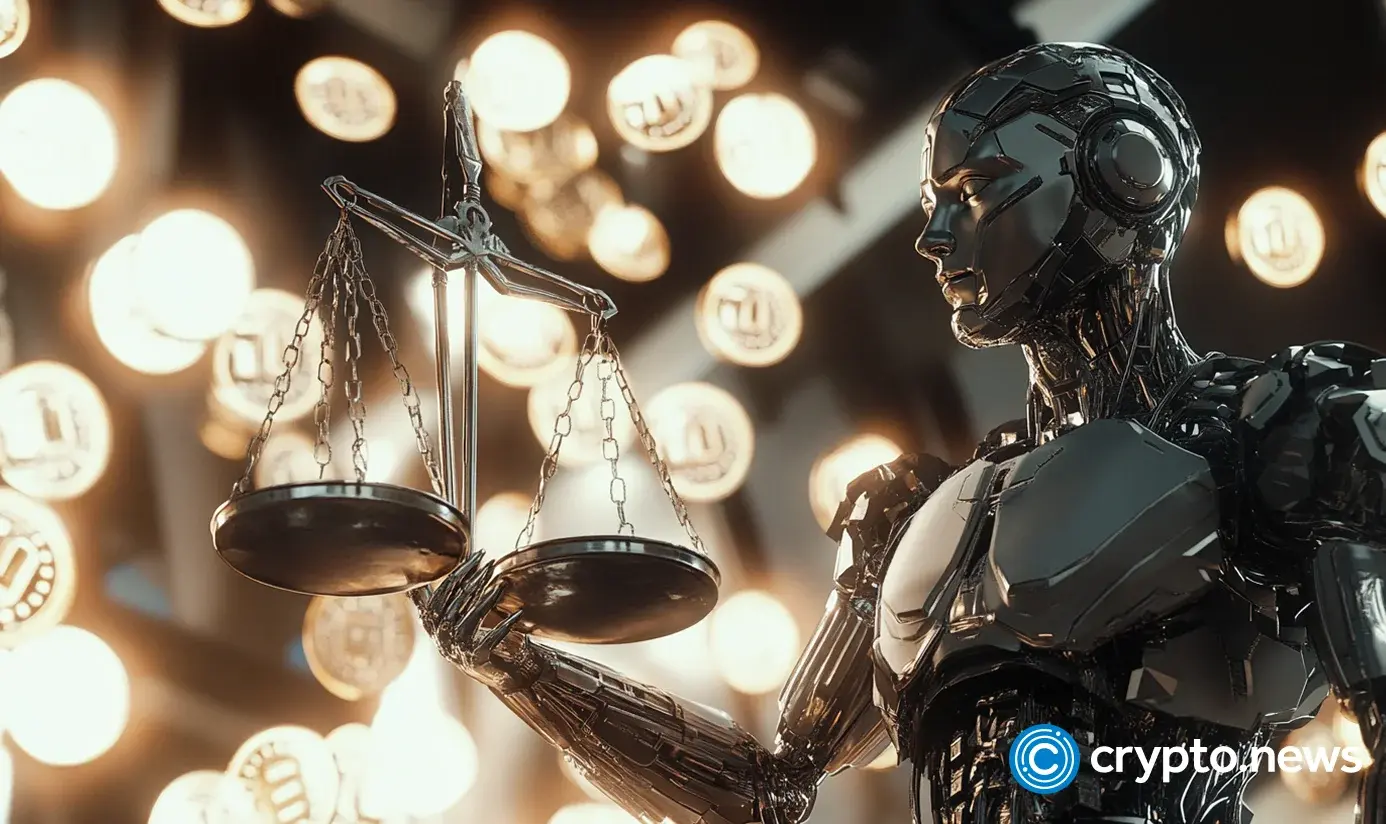
Nvidia, Meta and Microsoft have joined 22 other organizations in warning U.S. policymakers that sweeping controls on open-weight AI models could weaken American leadership as competition with China intensifies.
Summary
- Nvidia, Meta and Microsoft oppose sweeping U.S. restrictions on open-weight AI models.
- The coalition favors targeted enforcement against intellectual-property theft and other proven misuse.
- Elon Musk backed the letter as concerns over Chinese AI competition increased.
The open letter has called for targeted legal and commercial measures to address misuse instead of restrictions covering technologies that support legitimate AI development. Its signatories include IBM, Palantir, Mistral, Hugging Face, Mozilla, Andreessen Horowitz and the Linux Foundation.
Open-weight models allow businesses, researchers and governments to download software, customize it and operate it on their own infrastructure. According to the letter, this access makes advanced systems easier to adapt while giving organizations more control over their data, security and computing systems.
Rather than treating open and closed systems as rivals, the companies described both as necessary parts of the AI market. They argued that open models support competition, lower deployment costs and give developers more freedom to inspect or modify the technology they use.
Open models remain central to U.S. AI competition
Publishing his first post on X, Nvidia CEO Jensen Huang shared the letter and defended a market where both development methods can exist. Huang argued that open models support cybersecurity, safety, national control and the spread of AI tools across industries.
“For my first post, I’m sharing a letter NVIDIA signed on why open models matter…The world needs both frontier closed models and frontier open models.”
Elon Musk also backed the letter in a reply to Huang’s post. Musk’s xAI develops Grok, a chatbot competing with products from OpenAI and Anthropic, although xAI was not identified among the 25 signatories listed in media reports.
The companies issued their warning as the Trump administration considers action against Chinese AI developers accused of using American technology without permission. U.S. Treasury Secretary Scott Bessent stated this week that officials would examine whether Chinese models had been trained through unauthorized use of outputs from U.S.-built systems.
According to Bessent, sanctions and Entity List restrictions could apply if Chinese companies conducted industrial-scale distillation that crossed into intellectual-property theft. The Treasury secretary also stated that the administration supports open-source AI, separating lawful development practices from alleged attempts to copy protected American technology.
Distillation uses the output of one model to help train or improve another system. In their letter, Nvidia and the other signatories described the method as a common tool for model improvement, testing and validation, while cautioning policymakers against treating every use of it as theft.
“Distillation, or the practice of using one model’s outputs to help train or improve another, is a widely used technique for model improvement, evaluation, and validation.”
Drawing on the history of open-source software, the coalition argued that developers have long learned from existing systems and used shared tools to produce new products. The signatories maintained that authorities should pursue proven legal violations directly without blocking techniques used by legitimate researchers and companies.
China’s recent progress has added pressure to the policy debate. Moonshot AI’s Kimi K3 reached first place on the Frontend Code Arena, according to the benchmark, placing a Chinese model ahead of several established U.S. products in that category.
Former White House AI and crypto adviser David Sacks has warned that such gains could threaten the U.S. position in the AI race. U.S. officials have separately accused Moonshot of distilling Kimi K3 from Anthropic’s Fable model, though Moonshot’s alleged conduct remains part of the policy dispute rather than an established finding, according to Reuters.
Human oversight and spending risks remain in focus
Debate over open models has developed alongside questions about how companies and traders should use AI. As crypto.news reported on July 24, Gate founder and CEO Dr. Han supported using AI to collect information and study market signals while leaving final trading decisions to people.
During an episode of the Gatecast podcast, Dr. Han argued that automated tools could help users navigate millions of digital assets and tens of thousands of decentralized applications. However, he maintained that traders must examine the information produced by those systems before acting on it.
“AI + human intelligence” will become a more effective approach in the future, Dr. Han said.
His position places AI in an assistant role rather than giving automated systems full control over investment decisions. According to Dr. Han, machines can process large quantities of market data quickly, while human judgment remains necessary when users assess risks and decide whether to trade.
Financial concerns have also followed the rapid expansion of AI infrastructure. Earlier in July, former Fidelity fund manager George Noble warned that a collapse in the AI investment boom could cause 17 times more damage than the dot-com crash, which erased about $5 trillion from the Nasdaq.
Noble linked that risk to the large amount of capital entering data centers, chips and related infrastructure. According to the former fund manager, losses could spread beyond technology companies if expected returns fail to cover the money committed to AI development.
“The fallout from this could really be much more significant,” Noble said while discussing rising AI capital expenditure.
While Noble’s warning concerns financial exposure rather than open-weight regulation, the two debates share a central policy issue: how the U.S. can manage risks without stopping useful development. Nvidia and its fellow signatories have argued that focused enforcement offers that balance, allowing authorities to pursue theft or misuse while preserving access to open AI technology.
